TB-500 (Thymosin Beta-4) 10 MG – Regenerative Peptide for tissue recovery processes & Tissue Repair
Product Description
TB-500 (Thymosin Beta-4) – Regenerative Peptide for Cellular Repair and Tissue tissue recovery processes Research
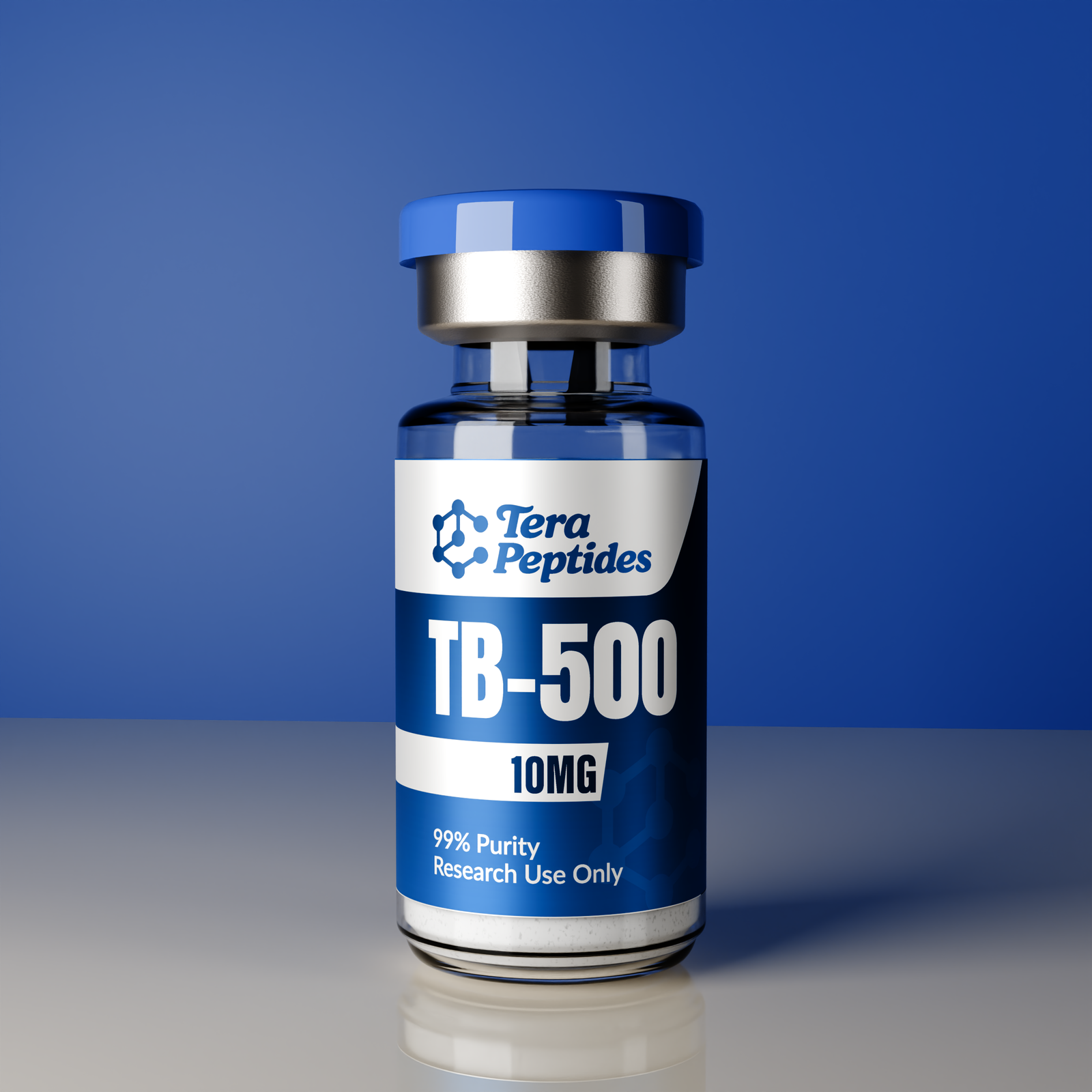
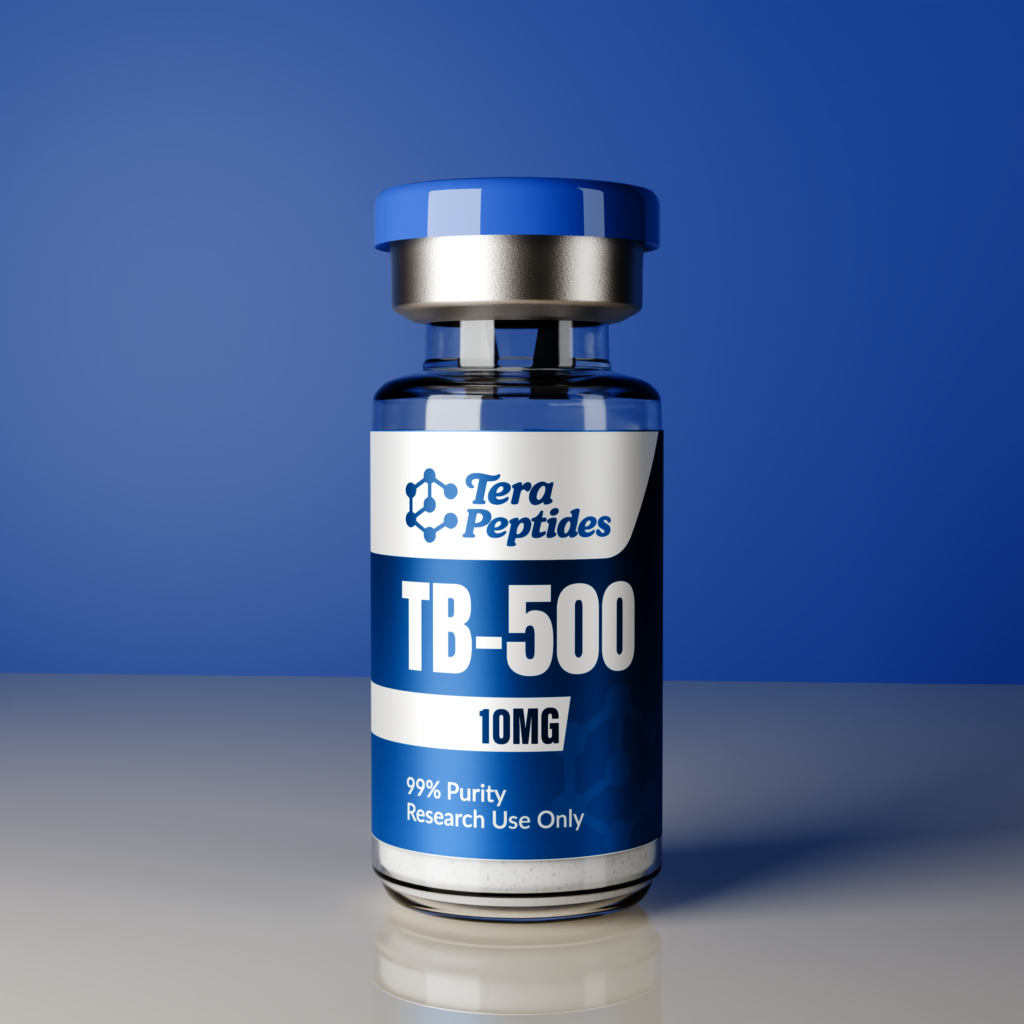
Composition: 10 mg Thymosin Beta-4 (lyophilized peptide powder)
Category: Peptide
Form: Vial with freeze-dried powder
Administration: Subcutaneous or research application (requires reconstitution)
What is TB-500 (Thymosin Beta-4)?
TB-500, also known as Thymosin Beta-4, is a naturally occurring peptide fragment derived from the thymosin protein family.
It plays a vital role in cell migration, angiogenesis, and wound tissue recovery processes, making it a central focus in tissue regeneration and recovery research.
In experimental settings, TB-500 is studied for its ability to upregulate actin production—a structural protein essential for cell movement, growth, and repair.
This function makes it particularly relevant for studies exploring muscle and tendon recovery, vascular repair, and inflammatory pathway modulation mechanisms.
➡️ Ideal for research in cellular repair, regeneration, and wound tissue recovery processes processes.
Key Research Findings
- Wound tissue recovery processes & Tissue Repair: Accelerates tissue recovery processes of skin, muscle, and connective tissue in preclinical studies.
- Cell Migration: associated with movement and differentiation of cells toward injury sites to aid regeneration.
- Angiogenesis: interacts with the formation of new blood vessels to studied for potential effects on oxygenation and nutrient delivery.
- inflammatory pathway modulation Effects: Helps studied for modulation of inflammatory responses and supports balanced tissue repair.
- Combination Research: Often examined in conjunction with BPC-157 or GHK-Cu for potential synergistic regenerative outcomes.
Mechanism of Action
TB-500 acts primarily by binding to actin, supporting cell motility and associated with cytoskeletal reorganization critical to tissue repair.
Its role in angiogenesis and inflammatory pathway modulation supports influenced recovery times and restoration of damaged tissues.
Studies indicate its ability to studied for potential influence on tissue recovery processes at both systemic and localized levels.
Dosage and Application
Reconstitute with bacteriostatic water before use.
Commonly referenced research protocols: 2–5 mg per week, administered through divided subcutaneous or intramuscular applications depending on the study protocol.
Store the reconstituted solution in a refrigerator and use within 20–30 days.
Storage Instructions
- Store at 2–8 °C (36–46 °F)
- Protect from light and moisture
- Do not freeze
- Avoid temperature fluctuations
Why Choose TB-500?
TB-500 is recognized as one of the most effective regenerative peptides for research applications in wound tissue recovery processes, angiogenesis, and inflammatory pathway modulation modulation.
Its well-documented mechanism of action and versatility across multiple biological systems make it an essential component of regenerative and tissue-repair studies.
Explore the potential of TB-500 (Thymosin Beta-4) 10 mg for advanced research in tissue recovery processes, regeneration, and recovery pathways.
Technical Specifications
- Product Code: TB500-2MG
- Purity: ≥98% (HPLC)
- Form: Lyophilized powder
- Storage: –20 °C (before reconstitution), 2–8 °C (after reconstitution)
- Stability: 2 years lyophilized, 30 days reconstituted when properly stored
Quality Assurance
Each batch of TB-500 undergoes analytical validation to ensure consistency and accuracy:
- HPLC analysis for purity verification
- Mass spectrometry for molecular identity confirmation
- Endotoxin and sterility testing for research-grade reliability
References and Further Reading
For in-depth data and publications, refer to peer-reviewed literature available on PubMed and related biomedical databases covering Thymosin Beta-4 and its role in cellular repair, angiogenesis, and regenerative biology.
All products are produced according to modern laboratory standards and research specifications.

Reviews
Clear filtersThere are no reviews yet.